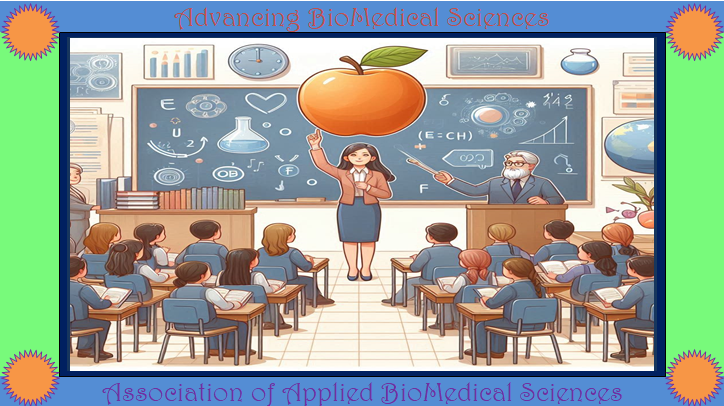
Enhancing the knowledge, skills, and pedagogical abilities of educators is a major goal of in-service teacher training programs. These courses are intended to assist educators in keeping abreast of the most recent advancements in their fields of study, pedagogy, and classroom management. Improving student learning outcomes and the quality of education is the ultimate purpose of in-service training.
This paper will examine the phases of teaching practice and the importance of in-service teacher training programs. It is crucial to remember that a 6000-word essay could be too long for only one topic. As a result, we will give a thorough yet succinct summary of in-service training and the stages of practice.
I. Importance of In-Service Teacher Training Programs:
1. Continuous Professional Development (CPD):
Programs for in-service teacher training enable educators to pursue ongoing professional development. The teaching profession is dynamic, with new educational approaches, technology, and research developing regularly. Teachers may stay current on these advancements and adapt their pedagogical approaches with the support of in-service training.
2. Enhancing Teaching Skills:
Programs for in-service training concentrate on enhancing a variety of facets of teaching, including differentiated instruction, classroom management, assessment methods, and instructional methodologies. Teachers who hone these abilities can better meet the varied requirements of their pupils and provide a more favorable learning environment.
3. Addressing Challenges:
The environment of education is always changing, and educators frequently take on new tasks like integrating technology, supporting inclusion, or working with students who have learning impairments. Through in-service training, educators may effectively tackle these difficulties by acquiring the requisite skills and expertise.
4. Improving Student Outcomes:
Increasing the impact of in-service training on student learning outcomes is the ultimate aim. Students are more likely to participate in learning and succeed academically when teachers are trained in creative teaching techniques and evidence-based approaches.
5. Promoting Reflective Practice:
Reflective practice is frequently encouraged among teachers through in-service training. By use of introspection and professional dialogues, instructors may pinpoint their areas of weakness and modify their pedagogical approaches accordingly.
II. Stages of Practice in Teaching:
Teachers go through numerous stages of professional growth in the complicated and multifaceted field of teaching. For various trainers, the length and intensity of these practice phases might vary. The standard phases of teaching practice are listed below:
1. Pre-service Training:
Teachers get pre-service training in colleges, universities, or teacher education facilities before entering the teaching profession. Theoretical instruction, pedagogical planning, and student teaching under supervision are all part of this phase. Prospective teachers can enhance their teaching strategies, gain subject-specific knowledge, and comprehend educational theories with the help of pre-service training.
2. Novice Teacher:
After completing pre-service training, people become novice teachers and enter the job. At this point, their careers as professional teachers officially begin. While they lack a great deal of real-world experience, novice instructors are usually passionate. They could have trouble managing the classroom, adjusting to the school environment, and transferring their academic knowledge to practical settings. For new teachers, in-service training programs are very helpful in bridging the theoretical and practice gaps.
3. Early Career Teacher:
A few years of classroom experience is required for educators to go from beginner to early career status. At this point, educators begin to refine their pedagogy and build self-assurance. To determine what works best for their pupils, they could use a variety of teaching techniques and classroom management measures.
4. Proficient Teacher:
Effective educators have accumulated a great deal of experience and knowledge in the teaching field. They possess a broad range of efficient teaching techniques in addition to a thorough grasp of their subject. Skilled educators can effectively oversee their classes, develop interesting lesson plans, and evaluate students’ progress. Proficiency teachers may concentrate on advanced teaching, research-based methods, and leadership development during their in-service training.
5. Expert Teacher:
The peak of teaching proficiency is the expert teacher level. These teachers are highly skilled and possess a thorough grasp of both teaching and learning. In addition to leading and mentoring their peers, experienced educators also frequently act as mentors or lead instructors. Research, curriculum creation, and the dissemination of best practices to the larger educational community are all possible components of in-service training programs for expert teachers.
6. Continuing Professional Development (CPD):
Teaching is an ongoing educational process. To keep current with the newest developments in education, educators—even those who are experienced teachers—need to participate in ongoing professional development. In-service training may provide seasoned educators with new insights and creative methods to enhance their instruction even further.
Conclusion:
Programs for in-service teacher training are essential for supporting educators’ professional development during their teaching careers. These programs make sure that educators remain up to date on the most recent advancements in education, improve their ability to instruct, and adjust to the shifting demands of society and pupils. From pre-service training to expert teacher status, the phases of teaching practice illustrate the development and advancement that educators go through throughout their employment. The achievement of pupils and the caliber of education are eventually positively and profoundly impacted by our investments in the professional development of educators.
Read our blog: AABMS Blogger
Related