
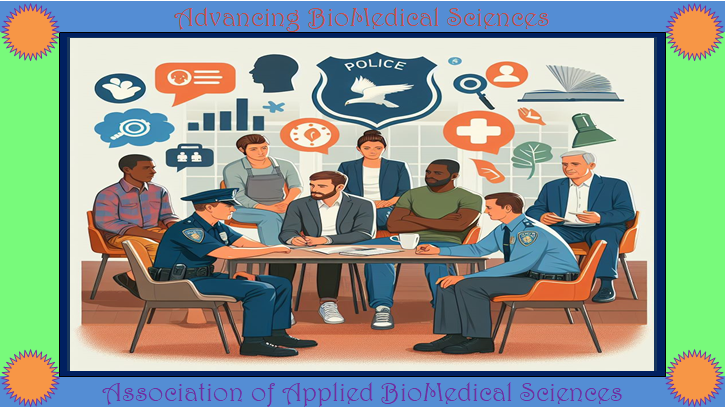
The term “criminal behaviour” describes acts that go against the rules of society and cause harm to people, places, or property. It is essential to comprehend and control criminal behaviour to uphold social order, guarantee public safety, and promote a fair and efficient society. Criminal behaviour is influenced by several elements, such as personal traits, societal influences, and prevailing economic circumstances. Criminal behaviour is managed using a variety of strategies, which are generally divided into three categories: punitive, rehabilitative, and preventative.
1. Preventive Approaches:
a. The goal of Crime Prevention Through Environmental Design (CPTED) is to lessen criminal chances by altering the physical environment. Increasing monitoring, eliminating hiding places, and upgrading illumination are among the tactics used to discourage possible criminals.
b. Community Policing: This strategy places a strong emphasis on working together to identify and address local crime concerns between law enforcement and the community. Community police strive to reduce crime through proactive measures by establishing strong connections and a foundation of trust.
c. Programmes for Early Intervention: Early intervention programmes target at-risk persons, especially young people, and offer resources and help to address issues including poverty, dysfunctional families, and drug misuse that may exacerbate criminal behaviour.
Read: The need for educational technology at the elementary level
2. Rehabilitative Approaches:
a. Correctional Programmes: Rehabilitative programmes are part of the criminal justice system that aims to help criminals overcome their criminal behaviour by teaching them the skills they need to effectively reintegrate into society. Education, mental health counselling, drug abuse therapy, and vocational training are some examples of these programmes.
b. Restorative Justice: This approach requires the offender, the victim, and the community to work together to mend the harm that criminal behaviour has caused. Accountability, reconciliation, and reparation are prioritised beyond merely punishing behaviour.
3. Punitive Approaches:
a. Incarceration: As a kind of punishment for their illegal acts, incarceration entails taking criminals out of society and housing them in jails or prisons. This strategy aims to dissuade others while safeguarding society from hazardous people.
b. Monetary penalties and fines: Offenders are subject to fines as a kind of punishment and as a deterrent to further illegal activity.
c. Capital Punishment: The death penalty is a sanction for the most serious offences in some countries. The death penalty, also known as the capital punishment, is a very contentious tactic whose efficacy as a deterrent is still up for dispute.
Read our blog: AABMS Blogger