A day in an elementary grade classroom: Reflections on nurturing young minds

I felt both anxious and excited as I walked into an elementary-grade classroom in the primary school. 

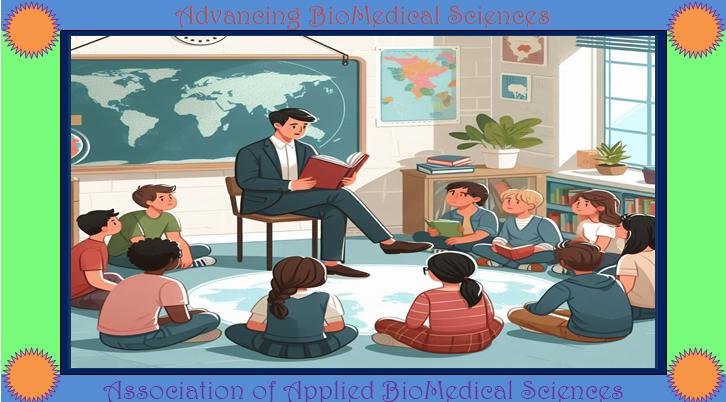
I was met right away by the sound of kids laughing and the bustle of educational activities, which set the tone for an amazing and rewarding day. I got the chance to watch and interact with a varied group of eager and capable young students as a guest. I will go into the highlights of my day in the elementary school classroom in my reflective essay, looking at the relationships between the kids, the teachers, and the general learning atmosphere that encouraged learning and development.

Section 1: The Welcoming Environment

The instructor and the kids welcomed me with warm grins as soon as I walked into the classroom. The pupils felt a feeling of belonging because of the welcoming and inclusive environment. Vibrant and thought-provoking learning environments were created by the colorful displays of student artwork and accomplishments that covered the classroom walls. The young students were encouraged to work together and communicate with one another by the teacher’s thoughtful arrangement of the tables in groups. This setup also demonstrated the teacher’s conviction in the value of encouraging cooperation and social skills.

Section 2:
Engaging Teaching Strategies

To meet each student’s unique learning needs, the instructor used a range of instructional tactics. I saw the teacher use storytelling as an introduction to new subjects during the morning circle. I noticed that the kids’ eyes were filling with wonder as they were enthralled with the inventive stories. Narrative techniques were employed to foster critical thinking and active engagement in addition to making the subject matter more accessible.

Throughout the day, I observed how practical activities, including scientific projects and group projects, were included to stimulate the kids’ senses and curiosity. Through practical application, these engaging experiences helped the students gain a deeper comprehension of abstract topics.

Additionally, the instructor put in place a system of rewards based on encouragement. The youngsters were encouraged to engage fully and were shown the value of recognizing their accomplishments and efforts via the use of praise and encouragement.

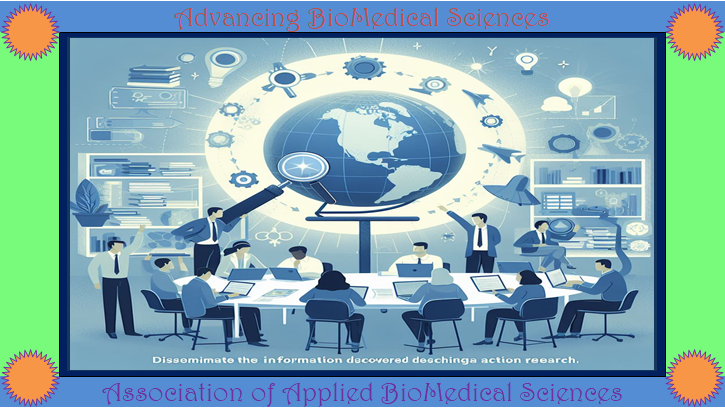
Read: Disseminate the information discovered through action research to stakeholders.

Section 3:
Nurturing Social and Emotional Development

I was pleased by the teacher’s commitment to fostering the pupils’ social and emotional growth. During the morning “check-in” process, each kid was given the chance to share their thoughts and feelings with the class. A supportive and compassionate environment was created by this practice, which promoted empathy and open communication among the pupils.

I saw examples of peer mediation and conflict resolution during break. Serving as a facilitator, the instructor helped the students come to their own conclusions while highlighting the need for successful communication and compromise. Observing these exchanges brought home how crucial it is to instill emotional intelligence in kids and increase their ability for empathy and understanding.

Section 4:
Inclusivity and Diversity

As pupils from all cultural origins and skill levels participated in the classroom, diversity was honored. Embracing diversity and creating an inclusive learning atmosphere were two things that the instructor always stressed. Encouraging a feeling of cultural appreciation and global understanding, the students worked on projects that presented many cultures.

Moreover, I saw the educator’s dedication to offering modifications for pupils with exceptional requirements. To provide every kid the best chance to succeed academically and socially, she integrated personalized teaching techniques and adaptive learning resources.

Section 5:
Challenges and Opportunities for Growth

Despite all of the good things that happened in the classroom, I could see certain difficulties. The instructor handled the demands of leading a varied group of young students with great patience and adaptability throughout the day. It required regular juggling to balance the requirements of advanced learners with those of kids who needed more help.

Even though the classroom was a caring environment, I came to understand that a child’s educational experience might be greatly impacted by other variables that are beyond the teacher’s control, such as family relationships and socioeconomic backgrounds. It emphasized how crucial it is for communities, parents, and schools to work together to help each kid holistically.

Conclusion:

My enlightening experience that day in primary school reinforced the vital role that teachers play in forming the brains of future generations. It was admirable how committed the teacher was to fostering a friendly, interesting, and inclusive atmosphere. The classroom was an engaging environment for the kids to learn and grow because of the blending of varied teaching styles, the focus on social and emotional development, and the celebration of diversity.

I am reminded of the significant influence teachers can have on their student’s lives as I consider the observations from the day. The primary school classroom reminds us of the potential that is inside every kid, just waiting to be fostered and directed towards a bright future. It is a place of laughter, curiosity, and a real love of learning.

Read our blog: AABMS Blogger

Disseminate the information discovered through action research to stakeholders.

1. Introduction to Action Research:

  • Introduce the idea of action research and its goal at the outset. Give a succinct summary of the research process, highlighting that it is a cooperative effort including stakeholders in issue identification, action planning, and outcome evaluation.
  • Describe the importance of including stakeholders in the research process, since doing so will boost their commitment to the outcomes and motivate them to accept responsibility for them.

2. Background and Context:

  • Describe the background of the matter or topic that is being looked at. Provide any pertinent trends, statistics, or other information that aids in the understanding of the research’s significance and context by stakeholders.
  • Give stakeholders a clear image of who was influenced by the research by describing the participants in the study, such as educators, students, administrators, or members of the community.

3. Research Methodology:

  • Describe the study plan in detail, taking into account the data-gathering techniques (such as surveys, interviews, focus groups, and observations).
  • To provide transparency in the study process, describe the analysis and interpretation of the data.
  • Talk about any restrictions or difficulties encountered throughout the investigation; this shows how thorough the work was.

4. Key Findings:

  • Describe the primary action research results. To effectively communicate the information, use a combination of text, graphs, and charts.
  • Make certain that the results are rationally arranged and understandable to a variety of stakeholders, including those with little prior experience in research.

5. Interpretation and Analysis:

  • Give a thorough analysis of the data, elaborating on their relevance and ramifications. Relate the results to the original issue or research topic.
  • Emphasize any surprising results and discuss how they could affect plans for future research or regulations.

6. Recommendations:

  • Based on the findings and analysis, offer clear and actionable recommendations. These suggestions should be practical, realistic, and achievable within the context of the stakeholders’ roles and responsibilities.
  • If applicable, provide a timeline or steps for implementing the recommendations.

7. Discussion and Reflection:

  • Encourage stakeholders to discuss the research findings openly. Provide a platform for them to share their
    perspectives, concerns, and ideas related to the research outcomes.
  • Facilitate reflective discussions to explore how the research aligns with existing practices or challenges
    current beliefs.

Read: Empowering minds through reflective teaching; A case study on reflection of a teacher

8. Benefits and Impacts:

  • Discuss the potential benefits of implementing the research recommendations. Consider both short-term and long-term impacts on the organization, community, or individuals involved.
  • Use real-life examples of success stories to illustrate how similar action research has brought positive
    change in other contexts.

9. Addressing Questions and Concerns:

  • Be prepared to answer questions, clarify doubts, and address any concerns raised by stakeholders regarding the research findings or recommendations.
  • Engage in open dialogue and create an environment that fosters trust and collaboration.

10. Dissemination Strategies:

  • Outline the various methods for disseminating the research findings to stakeholders. This could include
    written reports, presentations, workshops, webinars, or interactive sessions.
  • Consider tailoring the dissemination approach to different stakeholder groups to ensure maximum engagement and understanding.

11. Supporting Materials:

  • To help stakeholders gain a deeper grasp of the study process, data, and analysis, provide supplementary materials in the form of appendices or extra resources.
  • Provide citations to relevant research or literature that might strengthen the case for the study’s conclusions.

12. Feedback Mechanism:

  • Establish a feedback mechanism to receive stakeholders’ input on the research and its implications. This
    feedback can be used to refine the recommendations or guide future action research initiatives.

13. Monitoring and Evaluation:

  • Discuss how stakeholders can monitor and evaluate the progress of implementing the research recommendations.
  • Set up mechanisms for assessing the effectiveness of the actions taken based on the research findings.

14. Conclusion:

  • Summarize the key points of the action research and reiterate the importance of collaboration between
    researchers and stakeholders.
  • Express gratitude to all stakeholders for their participation, contribution, and commitment to positive change.

15. Appendices:

  • Include all relevant supporting materials, such as research instruments, interview transcripts, data tables, and additional references.

Keep in mind that communicating action research findings with stakeholders requires efficient communication. Make sure the material is clear and understandable for the target audience by adapting your language and style. By doing this, you will provide stakeholders the authority to act on the findings of the study and make wise decisions.

There are several ways to share knowledge with stakeholders that are discovered through action research:

1. Written Reports: Prepare
comprehensive reports summarizing the research objectives, methodology, findings, and recommendations. Use clear and concise language to ensure easy understanding and include visual aids like charts or graphs to enhance clarity.

2. Presentations: Organize presentations or workshops to personally share the research findings with stakeholders. Prepare engaging visuals, communicate key points effectively, and encourage active participation and discussion to foster understanding and cooperation.

3. Meetings: Schedule meetings with stakeholders to discuss the research findings in detail. Provide them with access to the full research report and allow ample time for questions, clarifications, and brainstorming sessions.

4. Informal Conversations: Informal conversations can be an effective way to share information. Engage stakeholders in casual discussions, and use everyday language to explain the findings and their implications.

5. Email Updates: Send regular email updates to stakeholders, sharing important research highlights, key takeaways, or any new insights that have emerged from the research process.

6. Collaborative Platforms: Utilize web-based collaborative platforms to share research documents, data, and findings with stakeholders. This allows for ongoing discussions, comments, and feedback, fostering continuous engagement and knowledge exchange.

Read our blog: AABMS Blogger

Empowering minds through reflective teaching; A case study on reflection of a teacher

This case study explores the transforming journey of a teacher-student relationship and the effects that it has on both sides, as well as the power of reflective teaching. Sarah, the main character, is an ambitious teacher who starts an internship to further her degree. She meets Mr. Anderson, an experienced teacher who is passionate about reflective teaching, throughout the interaction. Mr. Anderson supports Sarah in using a reflective teaching style as they collaborate, creating a supportive atmosphere for learning and development. This case study explores how reflective teaching has had a significant impact on Sarah’s growth as a teacher and how it spreads throughout the classroom.

1. Introduction

In the realm of education, the teacher-student relationship plays a pivotal role in shaping the learning experience. Teachers who embrace reflective teaching methodologies possess the ability to inspire, empower, and uplift their students. This case study examines the transformative impact of reflective teaching on both an aspiring teacher and her students. The narrative follows Sarah, a young student teacher, as she encounters Mr. Anderson, a seasoned educator renowned for his innovative teaching methods.

ALSO READ: The featured articles published by PSM & Select the best journal for your submission: PSM Journals

2. Background

As a final-year education major, Sarah must finish her teaching internship to put the ideas she has learned in the classroom into practice. She is excited to have a good impact on her pupils’ lives and welcomes the chance to mold impressionable minds. Sarah is nervous and excited at the same time as she enters the classroom for the first time.

Mr. Anderson, a veteran teacher with over two decades of experience, is known among students and peers for his unique approach to teaching. He is highly regarded for incorporating reflective teaching practices into his lessons, fostering a culture of critical thinking, empathy, and self-discovery among his students.

3. The Encounter

Mr. Anderson greets Sarah with a hearty embrace on her first day of class. Sarah’s passion for learning and her dedication to being a successful teacher is immediately apparent to the experienced instructor. Realizing the potential she possesses, he chooses to mentor her.

Mr. Anderson first exposes Sarah to the idea of reflective teaching throughout their conversations. He clarifies that it calls for self-awareness, ongoing self-evaluation, and a readiness to change and advance as a teacher. Mr. Anderson highlights the value of reflective teaching in fostering a supportive learning environment for students by sharing some of his own experiences with it.

ALSO CHECK: Affordable Editing and Proofreading Services

4. Embracing Reflective Teaching

As the day goes on, Mr. Anderson pushes Sarah to include reflective teaching practices in her lesson designs and interactions with students. To continuously enhance her pedagogical approach, he offers advice on how to perform routine self-assessments, reflect on her teaching methods, and ask students for feedback.

Sarah completely agrees with the idea and starts to see a change in her teaching approach. She begins to see how crucial it is to modify her teaching strategies to accommodate the different learning styles and personalities of her students. By using reflective teaching, Sarah can better understand and cater to the unique needs of each of her pupils, which increases their empathy and comprehension.

5. Impact on the Classroom

The dynamics in the classroom start to shift as a result of Sarah’s newly discovered reflective attitude. Her commitment to their development is evident to the students, which makes the class more active and involved. Sarah makes her pupils active participants in their educational journeys by encouraging them to reflect on their own learning experiences.

Mr. Anderson and Sarah work together on a variety of reflective teaching techniques, including peer assessments, journaling, and group discussions. Through these programs, children are allowed to voice their ideas, learn how to think critically, and respect those of others.

6. Transformation and Growth

As the teaching internship progresses, Sarah’s confidence and competence as an educator soar. She no longer fears making mistakes but views them as opportunities for growth and improvement. Mr. Anderson’s mentorship and his emphasis on reflective teaching have played a significant role in this transformation.

Moreover, Sarah’s students respond positively to the new teaching approach. They appreciate being heard, validated, and challenged to think beyond the surface level. Classroom interactions become more vibrant and respectful, creating a positive learning atmosphere.

7. Ripple Effects

Reflective teaching has an effect that goes beyond Sarah’s classroom. Her friends and coworkers are motivated to embrace reflective practices too as they see the great adjustments she has made to her teaching strategies and the classroom atmosphere.

As teachers attend seminars and professional development sessions to learn about reflective teaching approaches, Mr. Anderson’s impact is seen across the school. The management of the school endorses the inclusion of this strategy in the curriculum and acknowledges its benefits.

8. Conclusion

The case study of Sarah’s transformative journey highlights the profound effects of reflective teaching on teachers and students alike. Through the guidance of Mr. Anderson, Sarah evolved from an enthusiastic but uncertain student teacher into a confident and empathetic educator. The adoption of reflective teaching not only benefited Sarah’s personal growth but also positively impacted the entire classroom environment, fostering a culture of critical thinking and mutual respect.

This case study emphasizes the importance of mentorship and innovative teaching practices in empowering aspiring educators to make a lasting impact on their students’ lives. Reflective teaching has the potential to shape the future of education by promoting self-awareness, adaptability, and student-centered learning. As educators and institutions continue to embrace such approaches, the ripple effects will extend far beyond the confines of the classroom, transforming the educational landscape as a whole.

Reflective teaching means looking at what you do in the classroom, thinking about why you do it, and thinking about if it works – study process of self-observation and self-evaluation.

By collecting information about what goes on in our classroom, and by analyzing and evaluating this information, we identify and explore our practices and underlying beliefs. This may then lead to changes and improvements in our teaching.

Reflective teaching is therefore a means of professional development that begins in our classroom.

Read: Fellowship for Postdoctoral Studies at the University of Leeds, West Yorkshire, England

Why it is important

Many educators already reflect on their work and discuss it with peers. “My lesson went well,” “My students didn’t seem to understand,” or “My students were so badly behaved today” are some thoughts or statements you may make.

But if we don’t spend more time thinking about or talking about what has happened, we might be prone to drawing judgments about why certain things are happening. We might only see the responses of the kids who talk more. Thus, reflective teaching suggests a more methodical approach to gathering, documenting, and evaluating our own and our students’ ideas and observations before implementing any necessary adjustments.

  • If a lesson went well we can describe it and think about why it was successful.
  • If the students didn’t understand a language point we introduced we need to think about what we did and why it may have been unclear.
  • If students are misbehaving – what were they doing, when, and why?

Beginning the process of reflection

You can start a reflection process in reaction to a specific issue that has come up in one of your classes, or you might just do it to learn more about how you teach. You may choose to concentrate on a specific student class or examine an aspect of your instruction, such as how you handle disruptive situations or how to get your pupils to use more English in the classroom.

Getting knowledge of what occurs in the classroom is the first step. Here are some methods for achieving this.

Teacher diary

This is the easiest way to begin a process of reflection since it is purely personal. After each lesson, you write in a notebook about what happened. You may also describe your reactions and feelings and those you observed on the part of the students. You are likely to begin to pose questions about what you have observed. Diary writing does require a certain discipline in taking the time to do it regularly for study. 

Here are some suggestions for areas of study to focus on to help you start your diary. 

ALSO READ: The featured articles published by ABMRC & Select the best journal for your submission: ABMRC Journals

Peer observation

Ask a coworker to see you teach so they may get more information on your lesson. Note-taking or a straightforward observation activity might be used for this. This will have a connection to the topic you chose to consider. For example, you may ask your partner to concentrate on the students who participate most during the session, the various patterns of interaction that take place, or your error-handling strategy.

Recording lessons

Video or audio recordings of lessons can provide very useful information for reflection. You may do things in class you are not aware of or there may be things happening in the class that as the teacher you do not normally see.

  • Audio recordings can be useful for considering aspects of teacher talk.
    • How much do you talk?
    • What about?
    • Are instructions and explanations
      clear?
    • How much time do you allocate to
      student talk?
    • How do you respond to student talk?
  • Video recordings can be useful in showing you aspects of your behavior.
    • Where do you stand?
    • Who do you speak to?
    • How do you come across to the
      students?

Student feedback

You can also ask your students what they think about what goes on in the classroom. Their opinions and perceptions can add a different and valuable perspective. This can be done with simple questionnaires or learning diaries for example. What to do next
Once you have some information recorded about what goes on in your classroom, what do you do?

You may have noticed patterns occurring in your teaching through your observation. You may also have noticed things that you were previously unaware of. You may have been surprised by some of your students’ feedback. You may already have ideas for changes to implement.

Talk
Just by talking about what you have discovered – to a supportive colleague or even a friend – you may be able to come up with some ideas for how to do things differently.

If you have colleagues who also wish to develop their teaching using reflection as a tool, you can meet to discuss issues. Discussion can be based on scenarios from your classes.

Using a list of statements about teaching beliefs (for example, pairwork is a valuable activity in the language class or lexis is more important than grammar) you can discuss which ones you agree or disagree with, and which ones are reflected in your own teaching giving evidence from your self-observation.

Read
You could determine that you want to learn more about a particular topic. These days, there are a tonne of websites dedicated to English instructors where you may get additional scholarly publications or helpful teaching ideas. Additionally, there are teacher periodicals with articles covering a variety of subjects. For English language instructors, there are a tonne of books available if you have access to a library or bookstore.

Ask
Pose questions to websites or magazines to get study ideas from other teachers. Or if you have a local teachers’ association or other opportunities for in-service training, ask for a session on a study area that interests you.

Conclusion

Reflective teaching is a cyclical method since it restarts the reflective and evaluation cycle as soon as changes are implemented.

  • What are you doing?
  • Why are you doing it?
  • How effective is it?
  • How are the students responding?
  • How can you do it better?

Follow: PSM | Scientific Publisher & Media Group

Singapore International Graduate Award (SINGA) for Foreign Students, Fully Funded

The Singapore International Graduate Award (SINGA) is partnered by the National University of Singapore (NUS), the Nanyang Technological University (NTU), the Singapore University of Technology and Design (SUTD), and the Singapore Management University (SMU). The Agency for Science, Technology, and Research (A*STAR) is the organization behind it. International students seeking a Ph.D. in Singapore can get financial aid through SINGA.

The Singapore International Graduate Award (SINGA) fosters an active and culturally diverse research community of overseas students. You will work in cutting-edge environments with distinguished and well-known researchers in a multicultural setting.

Benefits of SINGA

The award comprises the following and may be used to fund up to four years of Ph.D. study:

Student fees
A monthly stipend of S$2,200 will be given, and upon passing the qualifying test, this sum will rise to S$2,700.
a one-time gift of up to S$1,500 for travel and a one-time incentive of $1,000 for settling in.

Eligibility Criteria for Singapore International Graduate Award

Open to all foreign graduates with a passion for research and a record of excellence in the classroom
Not eligible are Singaporeans, Singapore Permanent Residents, or international students who are now enrolled in or have previously enrolled in higher education institutions in Singapore. Excellent communication abilities in both written and spoken English.
suggestions collected from scholarly sources.
When a student completes the program satisfactorily, NTU, NUS, SUTD, or SMU gives them a Ph.D.

Read: Fellowship for Postdoctoral Studies at the University of Leeds, West Yorkshire, England

Application Procedure

December 1, 2023 (23:59 GMT + 8 Singapore Time) is the submission deadline for the August 2024 intake.

Before applying, make sure you have the necessary papers. Make an account on the application site by clicking the link provided below to register. Carefully follow the directions on the application form, and upload any necessary paperwork.

Because your identification will be verified using the information you submit when you first log in, please make sure it is accurate while creating your account on the application site.
Make sure you apply for the correct scholarship—the “Singapore International Graduate Award (SINGA)”—on the application site after checking in.
Sending any paper in physical copy by mail to the SINGA Office is NOT PERMITTED.
Apply as soon as you can and submit it. Since only applications with two recommendation reports will be taken into account.

Scholarships for undergraduate study through the European-Atlantic University Collaboration, Spain.

For prospective students enrolled in the Bachelor of Science in Computer Engineering program, the European Atlantic University is offering 20 Collaboration Scholarships. The goal is to provide students with the opportunity to work together on real-world issues.

The four-year undergraduate computer engineering program at European Atlantic University (EAU) equips students for professions in the rapidly expanding field of computer engineering. Mathematical, electrical engineering, and computer science expertise are all combined in this program.

Students in the Computer Engineering program at EAU learn about the following topics:
 
 
Computer architecture and organization
Digital logic and circuit design
Software engineering
Computer networks
Operating systems
Data structures and algorithms
Artificial intelligence
Machine learning
Cloud computing
Cybersecurity
 
Students in the Computer Engineering program at EAU have the option to select from a range of electives in addition to the core curriculum, including:
 
Robotics
Embedded systems
Computer graphics
Web development
Mobile development
Game development
 
The EAU Computer Engineering program offers students the chance to work on faculty-faculty research initiatives. Students can gain practical experience in cutting-edge fields of computer engineering through these research projects.
 
 
Engineering Council of Ireland (ECI) accreditation is granted to EAU’s Computer Engineering program. The program will adhere to the highest standards of rigor and quality thanks to this certification.
 
 
Employers in the IT sector are in great demand for graduates of EAU’s Computer Engineering program. They can work in several different fields, including:
 
Software development
Hardware engineering
Information security
Networking
Robotics
Embedded systems
Artificial intelligence
Machine learning


Degree Level:

 
European Atlantic University Collaboration Undergraduate Scholarships, Spain. is available to undertake Undergraduate level programs at European Atlantic University.
 

Scholarship Benefits:

 
The Exclusively Collaborative Scholarship for the Bachelor’s program in Computer Engineering means, in the case of a favorable judgment, a total remission of tuition expenses for one year. Accepting this scholarship entails the recipient’s commitment to supporting UNEATLANTICO by involvement in endeavors connected to their academic path. It’s vital to understand that this commitment will not interfere with the student’s academic goals and does not create an employment connection with the university or the partner firm.
 

Application Procedure:

 
The candidate must submit the following documentation:
 
Scholarship Application Form: It can be obtained in person at the Students’ Service and Scholarships of the European University of the Atlantic or via our webpage www.uneatlantico.es.
Photocopy of the Identity Card or a valid passport.
The personal academic record of the studies that give access to the degree. The academic record must specify the average obtained grade, otherwise, it must specify the obtained grades in each subject.
Pre-registration application
This documentation needs to be submitted regardless of the one that has been previously submitted or is to be submitted to complete the Pre-registration or the Enrollment process in the corresponding study.
 
All documentation must be submitted to:
 
European University of the Atlantic > Scholarship Service
Parque Científico y Tecnológico de Cantabria
C/Isabel Torres 21, 39011 Santander
 

Read our blog: AABMS Blogger

Fully Funded IE Foundation Scholarship in Norway during 2023–2024

The Fully Funded IE Foundation Scholarship in Norway is pleased to announce that Kistefos AS, thanks to the generosity of its owner Christen Sveaas, has pledged more than two million euros to create the IE Kistefos Young Talented Leaders Scholarships Program. Candidates from Liberia, Norway, South Africa, and Ethiopia will each receive one of the program’s 46 scholarships. Twenty scholarships for pre-experience masters and two scholarships for undergraduate study are included in the Fellowships for Leading Norwegian Talent, whereas 24 scholarships for pre-experience masters are provided to applicants for the Fellowships for Leading African Talent.

Academic opportunities and excellence should be available to everyone regardless of their financial situation. IE Foundation scholarships allow talented young people who show drive and promise, the opportunity to reach their personal and professional potential by providing them with the financial support needed to complete their degree program.

Scholarship Eligibility

Candidates for the Fully Funded IE Foundation Scholarship in Norway must exhibit academic and personal excellence, strong leadership qualities, a business-minded perspective, and a dedication to making a difference in their home nations after graduation.

Read: Fellowship for Postdoctoral Studies at the University of Leeds, West Yorkshire, England

The candidates for the Fully Funded IE Foundation Scholarship in Norway must demonstrate academic and personal excellence, strong leadership capabilities, an entrepreneurial mindset, and a commitment to impacting their home countries upon graduation.

IE Foundation Scholarship Benefits

The Fully Funded IE Foundation Scholarship in Norway will pay up to 100% of the tuition costs for master’s programs, including living expenses and travel costs.

Fellowship for Postdoctoral Studies at the University of Leeds, West Yorkshire, England

Online applications are being accepted for numerous postdoctoral fellowships in the many departments of the University of Leeds in West Yorkshire, England. A list of open Postdoc Fellowship jobs at the University of Leeds in West Yorkshire, England, is provided below.

Any qualified individual is encouraged to apply right away.

(1) Research Fellow in Urban Heat Systems: Data Analysis and Visualization

Do you wish to conduct research that will help urban heat systems quickly respond to changing heating and cooling demands, lower CO2 emissions and fuel poverty, and enhance air quality? Would you want to contribute your experience in data analysis and modeling to a developing interdisciplinary research group at the University of Leeds? Do you want to collaborate with practitioners and decision-makers in the city?

Closing date: September 25, 2023

(2) Research Fellow in Integrative Structural Biology

A top-notch postdoctoral research associate is needed to join our multidisciplinary research team studying ciliary proteins linked to genetic diseases. You will analyze the structures of these proteins and research their interactions with binding partners using integrated structural biology, high-speed atomic force microscopy, and other cutting-edge biophysical techniques, all of which are funded by the UK BBSRC. This will help us understand how they influence cilium function and how mutations result in illness at the molecular level.

Closing date: August 25, 2023

Do you need help in thesis/paper writing? Submit here

(3) Research Fellow in High-Speed Atomic Force Microscopy Methods Development

Are you an ambitious researcher looking for your next challenge? Are you interested in applying your research skills to develop new methods to improve resolution for healthcare applications?

Deadline : 27 August 2023

(4) Research Fellow in Synthetic and Analytical Chemistry

Do you want to use analytical and synthetic carbohydrate chemistry to address significant climate change-related issues? Do you wish to conduct state-of-the-art isotope experiments to learn how trees react to their climate? Join our multidisciplinary team as we work to fully use tree-ring oxygen isotope archives.

Deadline: August 30, 2023

(5) Research Fellow in the Children’s Cancer Research Group

Applications are being accepted for a post-doctoral research fellow to assist in setting up reference laboratories that are appropriate for the task throughout the nations taking part in SIOPEN clinical trials. You will compile the skills and requirements for each nation to perform and adopt RTqPCR-based assays to manage children with neuroblastoma, working with members of the SIOPEN Circulating RNA Committee from 26 countries. Through a series of blinded quality controls, you will develop and establish standards for reporting findings across all centers and evaluate their capacity. SIOPEN is a global organization that brings together medical professionals and researchers from Europe and around the globe to enhance the prognosis for kids with neuroblastoma.

Rotary Scholarships for IHE Delft Master’s Program in Water and Sustainable Development in Netherlands

The Rotary Foundation (TRF) and IHE Delft Institute for Water Education have formed a strategic partnership with the goal of addressing the global water and sanitation crisis by increasing the number of trained professionals who can develop, plan, and implement solutions in developing and emerging nations. Through this collaboration, a few scholarships are given out each year to graduate students at the campus of the IHE Delft Institute for Water Education in the Netherlands.

These grants are intended to foster enduring, fruitful connections between Rotarians and highly qualified water and sanitation specialists in their local areas. There have been over 150 scholarships given out since the partnership’s beginning in 2012.

The application process is as follows: Rotarians interview and select from local candidates who have already been admitted to the IHE Delft Institute for Water Education’s regular MSc Programme in Water and Sustainable Development, in one of the following thematic tracks:

Water and Health
Water Resources and Ecosystems Health
Water Hazards, Risks, and Climate

When a candidate is considered qualified, the sponsoring Rotary Club sends an application form to the joint Rotary/IHE Delft selection committee (together with the candidate) (details can be found below).

When a Rotary scholarship is given, the supporting Rotary Clubs stay in touch with the recipient throughout their academic career. The Rotary Global Grant method will be used to administer the funding for the chosen candidates.

You may apply: Scholarships at the University of PECS in Hungary 2023 (Fully Funded)

About Rotary Scholarships

Recipients of this Rotary scholarship will profit from the assistance they get through routine communication with sponsor Rotarians from their home country and the chance to network with Rotarians in the Netherlands. Worldwide, Rotarians and scholarship recipients are connected by a vast network of Rotarian alumni. Scholars can stay linked to the worldwide community and resources of Rotary by getting engaged with a local Rotary Club and the alumni association.

Application Process for 2023-2024 Rotary Scholarships

You submit your admissions application for the IHE Delft Master’s degree in Water and Sustainable Development before April 1, 2023. You do a search for the nearby Rotary Club. You approach them and request their support in your application for a Rotary scholarship. You must complete the application form, together with the Rotary Club. Before April 15, 2023, the sponsoring Rotary Club will submit your application to the Rotary/IHE Delft selection committee in The Netherlands once it has been completed in full. Before May 15, 2023, the results of the selection will be communicated to all candidates. On July 1, 2023, The Rotary Foundation must formally approve the final decision.

Master of Science in Business Administration (MSc) program at the University of Amsterdam in the Netherlands

The Amsterdam Economics and Business Talent Fund is a brand-new scholarship initiative for Master’s candidates in Business Administration in need of financial assistance. A small number of full scholarships are available from the fund for exceptionally gifted non-EU students who also have financial needs. We aim for diversity and help deserving students from low-income countries who lack financial resources through scholarships.

Amsterdam Economics and Business Talent Fund

The best students from across the world are what we hope to draw to our global classrooms. Scholarships from the Amsterdam Economics and Business Talent Fund are given out according to merit and financial need. This full scholarship is available to students with non-EU nationalities for a full academic year. The grant is available for Economics and Business’s 1-year MSc programs.

For admission in September 2023, the deadline is 15 January 2023.

General Criteria

To be considered for the scholarship applicants need to meet the following general criteria:

  • hold non-EU nationality only
  • have no financial possibility to pay for an MSc study
  • have excellent academic results, in the top percentile
  • not be entitled to receive a Dutch study grant or loan (“Studiefinanciering”)
  • not receive a full coverage scholarship for the same period of study as the scholarship
  • have submitted a complete application to one of the MSc programs of Economics and Business before 15 January
  • be able to comply with Dutch visa regulations as indicated by the Dutch Immigration Service (IND).
  • submit a complete application before 15 January, including the documents mentioned under the Selection criteria and Application process.

You may apply: Funded Scholarship at KTH Royal Institute of Technology Sweden 2023

Application process

Apply for the MSc program via the online application form and Studielink (Embark)

Additionally, under the Embark scholarship area, kindly attach the following files:

recommendation letter from a dean, instructor, or academic supervisor that attests to your place in the top 10% of your class or year.
a declaration from the institution or other source describing the need for the scholarships in terms of money (additional information can be requested after application).
300-word explanation of your motivation:
What makes you deserving of a scholarship? Include a description of your academic achievements, along with any others that could be relevant.
A statement that the information supplied is accurate and true along with an explanation of how this scholarship would assist financially.

For OnCampus students and students from UvA Economics and Business:

Please apply for the scholarship in Embark. The application will open on 11 October. The deadline for applying for the scholarship is 15 January.

The best candidates will be placed for selection. If a specific test is not required for the program application (UvA Economics and Business, On Campus, etc), it is not required for the scholarship application.

Kerala Digital University India is hiring twelve post-doctoral fellows

Applications are being accepted for a postdoctoral fellow position at Kerala’s Kerala University of Digital Sciences, Innovation, and Technology (Kerala Digital University India) from qualified and interested individuals. The Indian Institute of Information Technology and Management, Kerala, was upgraded to become the Kerala University of Digital Sciences, Innovation, and Technology (Digital University of Kerala), which was founded by the Keralan government in 2020. In order to enable and encourage the study, research, incubation, and extension work in Digital Technologies and its application fields in Science, Engineering, and Humanities, Kerala has established a non-affiliating research and postgraduate teaching university. It is the state’s first digital university.

Like the creative minds that designed it, the campus is cutting edge. Discover what it’s like to live, work, and study on one of the world’s most technologically and ecologically sophisticated campuses. The innovations coming out of DUK are already impacting Kerala and beyond — proving what’s possible with a campus that fosters the free flow of ideas and solutions.

DUK students will enjoy an extremely rich experience both on and off campus at different levels of engagement with peers, instructors, subject matter experts, employers, and IT giants that just isn’t available elsewhere.

Research/Job Area- VLSI/Electronics/Instrumentation/Semiconductors/Product design/Smart Materials

Location- Kerala University of Digital Sciences, Innovation and Technology (Digital University of Kerala), Kerala

You may apply: Scholarships at the University of PECS in Hungary 2023 (Fully Funded)

How to Apply at Digital University

The online application should include a scanned copy of the relevant documents that attest to the applicant’s age, credentials, experience, etc., with the originals to be produced as necessary. Applications without the aforementioned attachments will be categorically rejected. There will be no more opportunities to submit the same.

Applications must be submitted online by 15 January 2023 at the latest. You may get the application form at https://www.duk.ac.in/careers.