The need and scope of secondary education system in Indonesia and Germany

I can offer you a general outline of the significance and reach of the secondary education system in Germany and Indonesia. Please do not hesitate to let me know if you want more detailed information or would like to concentrate on any specific areas, and I will try my best to help.

Secondary Education in Indonesia:

1.     Need and Importance: 

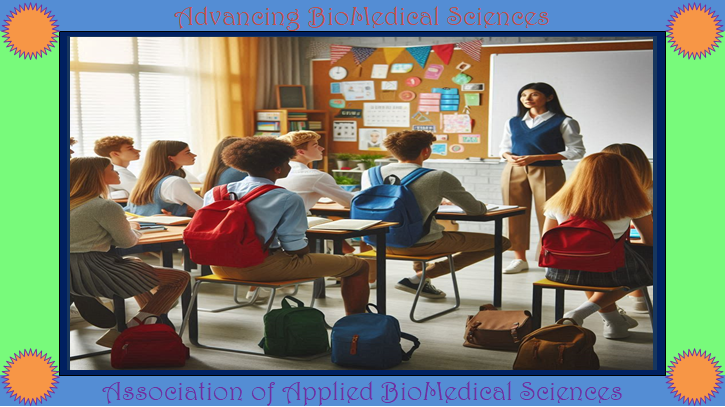
In Indonesia, secondary school has a significant impact on how pupils develop intellectually, socially, and emotionally. It serves as a link between elementary schooling and further study or career training. The following ideas help to clarify the significance of secondary education in Indonesia:

a. Preparing for Higher Education: Secondary education equips students with the necessary knowledge and skills required for pursuing higher education, such as at universities or technical institutions.

b. Workforce Preparation: It prepares students for the job market by providing practical skills and knowledge relevant to various industries and professions.

c. Personal Development: Secondary education fosters personal growth, critical thinking, problem-solving abilities, and other essential life skills.

d. Economic Growth: A well-educated secondary school population contributes to the economic development of the nation by increasing productivity and innovation.

2.     Scope:

Indonesian secondary education covers a wide range of topics, and the system has undergone several changes to improve inclusion and efficacy. The following are some significant facets of Indonesia’s secondary education landscape:

a. Curriculum: 

Science, math, languages, social sciences, and vocational courses are just a few of the many areas included in Indonesian secondary education curricula.

b. Inclusivity: 

The government wants to guarantee that every kid, irrespective of geography or socioeconomic status, has access to secondary education. In rural and underprivileged communities, efforts have been undertaken to enhance access and lessen inequities.

c. Vocational Training: 

Vocational education and training (VET) programs are part of Indonesia’s secondary education system, which helps students get ready for certain professions and occupations.

d. Teacher Training: 

To raise the standard of instruction and instructional strategies, a strong focus is placed on ongoing professional development for teachers.

e. Education Infrastructure: 

The scope also includes enhancing the infrastructure for education, such as libraries, school buildings, and technological integration.

Read: The evaluative process and historical background of textbooks

Secondary Education in Germany:

1.     Need and Importance: 

In Germany, secondary education is highly regarded and seen as necessary for the advancement of both individuals and society. Several factors underscore its significance, including:

a. Educational Tradition: 

High-quality education has a long history in Germany, and secondary school lays the groundwork for specialized knowledge and abilities.

b. Career Opportunities:

Secondary education prepares students for both higher education and vocational careers, ensuring a skilled workforce for the country’s industries.

c. Social Integration:

Secondary schools in Germany bring together students from diverse backgrounds, promoting social cohesion and cultural exchange.

d. Personal Development:

The curriculum emphasizes holistic development, including critical thinking, teamwork, and communication skills.

2.     Scope:

The secondary education system in Germany is comprehensive and offers different paths based on student’s academic abilities and career aspirations. The scope of secondary education in Germany includes:

a. Different Tracks:

After primary school, students in Germany are typically placed into one of several tracks, such as the Gymnasium (college-preparatory), Realschule (intermediate), or Hauptschule (vocational).

b. Dual Education System:

Germany is renowned for its dual education system, which combines classroom learning with practical, on-the-job training for vocational students.

c. Focus on Specialization:

The secondary education system allows students to specialize in subjects of their interest, enabling them to pursue careers in specific fields.

d. Transition to Higher Education:

The gymnasium prepares students for university entrance, while others can choose vocational paths or attend vocational schools.

e. Emphasis on Quality:

There is a strong emphasis on maintaining high standards in education, well-qualified teachers, and continuous evaluation and improvement of the system.

In conclusion, secondary education systems play a critical role in determining the prospects of young people and the nation at large in Germany and Indonesia. To guarantee inclusion, excellence, and pertinence in their systems, they have put in place several policies. Due to their diverse socioeconomic and cultural backgrounds, each nation has different difficulties and requires different solutions. It would be outside the purview of this response to do a more thorough study that would examine the advantages, disadvantages, current changes, and results of each system.

Read our blog: AABMS Blogger

The evaluative process and historical background of textbooks

Historical Background of Textbooks

Throughout history, textbooks have been an integral part of education. Textbooks originated in prehistoric societies when written texts served as the primary means of information transmission. But the Renaissance and Enlightenment eras in Europe are when the contemporary idea of textbooks as we know it now started to take shape. Textbooks were a technique of standardizing and distributing knowledge to a wider audience during this period of increased focus on formal education.

Book production and dissemination were greatly expedited by the Industrial Revolution. The ability to mass-produce books thanks to advancements in printing technology has increased their accessibility and affordability. Governments and educational organisations started creating curriculum requirements and approving certain textbooks for use in classrooms in the 19th and 20th centuries, which helped to form the textbook publishing business.

Evaluative Process of Textbooks: 

Textbooks undergo a rigorous evaluation process that looks at their organisation, content, and compatibility with learning goals. To guarantee that books are accurate, pertinent, and suitable for the intended audience, this procedure is essential. The evaluation process usually involves several stakeholders:

1.     Educational Experts:
Subject matter specialists and educational experts review the textbook’s content to ensure its accuracy and alignment with the curriculum standards.

2.     Teachers:
Teachers play a crucial role in evaluating textbooks as they are the ones who use them in the classroom. They assess whether the material is age-appropriate, engaging, and pedagogically effective.

3.     Curriculum Boards and Educational Institutions: These bodies often review and approve books based on their adherence to curriculum guidelines and educational policies.

4.     Students and Parents: Their feedback is sometimes considered to understand how well the books resonate with the learners and whether they find the content understandable and engaging.

Read: Heavy metal pollution of road dust: Why Street investigation is important?

Criteria for Evaluation: 

Various criteria are used to evaluate textbooks, which may vary depending on the subject and educational level. Some common criteria include:

1.     Accuracy:
The information presented in the book should be up-to-date, factually correct, and free from bias or misinformation.

2.     Relevance:

The content should be relevant to the educational objectives and appropriate for the target age group.

3.   Clarity and Readability:

The language and presentation should be clear, concise, and suitable for the comprehension level of the students.

4. Pedagogical Approach: Textbooks should use effective teaching methodologies, such as examples, exercises, and illustrations, to enhance learning.

5.     Inclusivity and Diversity: Textbooks should represent diverse perspectives, cultures, and backgrounds, promoting inclusivity and avoiding stereotypes.

6.     Layout and Design:
The visual presentation, layout, and organization of the content should be aesthetically appealing and conducive to learning.

7.   Ethical Considerations: Textbooks should avoid promoting harmful ideologies or content that may be inappropriate for students.

Challenges:
Despite efforts to ensure high-quality books, some challenges persist. These include:

1.     Political and Ideological Influence: In some cases, textbooks may be subject to political pressure, leading to biased or one-sided representations of historical events or cultural aspects.

2.     Outdated Information: The process of publishing and approval can be lengthy, leading to potential issues with outdated content in rapidly evolving fields.

3.     Cultural Sensitivity: Textbooks must be culturally sensitive and avoid content that may offend or exclude certain groups.

4.     Accessibility:
In some regions, access to quality textbooks remains a challenge, particularly in disadvantaged or remote areas.

A transparent and inclusive evaluation process, the continual modification and updating of textbooks, and the involvement of experts from other sectors are all part of the efforts to solve these difficulties. For successful teaching and learning to be supported in educational systems across the world, textbook quality must constantly improve.

Read our blog: AABMS Blogger

The organizational structure of the examination system at the elementary level in Pakistan

 According to my most recent update from September 2021, Pakistan’s primary school examination system generally entails the following steps:

1.     Classroom Assessment: 

Teachers use class activities, quizzes, assignments, and periodic assessments to continuously assess their students’ performance throughout the academic year. By using these tests, educators may determine where their students are conceptually and where they can benefit from more guidance.

2.     Midterm Examinations: 

Midterm exams may be given in some schools, particularly in private or metropolitan settings, to assess students’ progress about halfway through the academic year. Although they might not have as much weight as the final exams, these tests nonetheless contribute to the assessment overall.

Read: The concept of evaluation and measurement at the elementary level

3.     Final Examinations: 

Final exams are held at the end of the academic year, generally in March or April. These tests, which are more formal and uniform across the nation, are meant to assess the information and abilities that students have gained over the academic year. The final examinations are administered by educational boards or federal, provincial, or local authorities and cover the full curriculum.

4.     Subject Selection:

Depending on the layout of the school, classrooms at the primary level in Pakistan often run from 1 to 5 or 1 to 8. Although the curriculum at this level is typically wide to give a well-rounded education, students in later elementary grades may begin to choose specialized courses.

5.     Grading System: 

Although there are many variations in Pakistani grading systems, letter grades (A, B, C, etc.) or number grades (out of 100) are frequently used. A GPA (Grade Point Average) system may also be used at some schools. Authorities or educational bodies establish the grading standards.

6.     Promotion to Next Grade: 

After the academic year, students are promoted to the next grade based on their achievement on assessments taken in class and on their final exam. Depending on the policies of the school or education board, the passing standards may change.

7.     Board Examinations (Optional): 

Some primary schools may choose to use board exams for grades 5 and 8, which are higher than other grades. Provincial educational boards administer these tests, which are treated more seriously since they affect the pupils’ transfer to secondary school.

It’s crucial to remember that Pakistan’s educational system is always changing, and since my previous update, there may have been adjustments made to the curriculum, rules, and evaluation procedures. It is essential to refer to official sources or the most recent education guidelines released by the Pakistani government or educational authority for the most up-to-date information.

Read our blog: AABMS Blogger

The concept of evaluation and measurement at the elementary level

 In the context of education, evaluation, and measurement relate to the process of determining the learning progress and accomplishments of pupils. These are crucial elements of the educational system that determine how well pupils are doing academically and point out areas in which they need to improve. To help educators, parents, and legislators make educated decisions regarding curricula and regulations, evaluation and measurement offer insightful input.

Read: The role of teachers to create a positive classroom climate.

Evaluation and measurement are done at the primary school level using a variety of techniques and instruments to guarantee a thorough assessment of the knowledge and abilities of the pupils. Several typical techniques include:

1.     Formative Assessment: 

This kind of evaluation takes place throughout the learning process and is used regularly to track students’ comprehension and development. It consists of tests, debates in class, homework, and other assignments that give professors and students quick feedback. Teachers can discover areas in which students are suffering and modify their instruction accordingly with the use of formative assessment.

2.     Summative Assessment: 

Summative evaluations take place after the conclusion of a given time frame, such as a unit, semester, or academic year. These evaluations, which frequently take the shape of final examinations, projects, or standardized tests, assess students’ overall learning results.

3.     Standardized Testing: 

The purpose of standardized exams is to evaluate pupils’ performance about a specified set of standards. They give pupils a consistent yardstick for comparison and are given throughout the whole educational system. These exams are frequently used to evaluate students’ competency in math, science, and language arts.

4.     Teacher Observations: 

Instructors keep a close eye on their pupils’ conduct, involvement, and behavior during class. These observations shed light on the academic achievement of the pupils as well as their social and emotional growth.

5.     Portfolios and Projects: 

Students can put together portfolios to display their work and development throughout time. Students can exhibit their comprehension of themes more creatively and practically through projects, presentations, and other hands-on activities.

6.     Peer Assessment: 

To develop critical thinking skills and a sense of responsibility, students occasionally assess the work of their peers. Peer evaluation can be applied in class presentations or group projects.

7.     Parent-Teacher Conferences: 

The performance, opportunities for growth, and strengths of a student can be discussed at regular parent-teacher conferences.

8.     Rubrics and Grading Scales: 

Rubrics provide teachers and students with clear expectations by outlining precise evaluation criteria for student work. Grading scales summarise students’ accomplishments by converting performance into numerical or letter grades.

The overall goals of the elementary school assessment and measuring process are to be impartial, thorough, and conducive to the learning and development of the pupils. It takes more than simply grades to assess students’ mastery of critical ideas and abilities, provide them with helpful criticism, and modify teaching strategies to suit each student’s requirements.

Read our blog: AABMS Blogger

The role of teachers to create a positive classroom climate.

 Establishing a healthy and productive learning environment for kids requires a positive classroom atmosphere. The environment that permeates the classroom on an emotional, social, and psychological level is referred to as the classroom climate. It includes the way that students engage with each other and with the teacher as well as the general climate of inclusion, respect, and trust. This long essay will examine the different facets of classroom climate and focus on the crucial part instructors play in creating and preserving a supportive environment.

Understanding Classroom Climate:

1. Emotional Atmosphere:

The emotional climate of a classroom has a direct effect on students’ learning and well-being. Students benefit from a supportive, safe, and inclusive learning environment in the classroom. In a setting like this, kids are free to express themselves, take chances, and ask for assistance when necessary. On the other hand, a hostile, fearful, or indifferent emotional environment might impede pupils’ ability to learn and grow emotionally.

2. Social Environment:

The interactions between students and the growth of wholesome connections are referred to as the social part of the classroom atmosphere. Students that work in a favourable classroom environment are more cooperative, empathic, and team players. It deters cliques, bullying, and social isolation, all of which can cause pupils to have a bad social experience.

3. Academic Environment:

Expectations set by the instructor, curriculum difficulty, and student assistance during the learning process all impact the academic climate of a classroom. A growth mentality, a love of learning, and the resources and skills necessary for success are all promoted in a good academic atmosphere.

4. Physical Space:

The way a classroom is physically set up may also affect the atmosphere within. Order and comfort may be created in a classroom that is visually beautiful and well-organized. Furthermore, a classroom furnished with educational tools and supplies can improve student learning.

5. Inclusivity and Diversity:

Diversity is welcomed and inclusion is encouraged in a pleasant school environment. It acknowledges and values the unique characteristics of each student, including their cultural origins, aptitudes, and learning preferences. Every kid in an inclusive classroom experiences respect and worth.

Read: Criminal behaviour and various approaches to manage it

The Role of Teachers in Creating a Positive Classroom
Climate:

The classroom environment is mostly shaped by the teachers. Their views, actions, and methods of instruction have a big impact on how students view and interact with the classroom. The following are some essential ways that educators may support the development of a supportive classroom environment:

1. Establishing Clear Expectations:

In terms of behavior, academic achievement, and classroom regulations, teachers ought to establish fair and precise expectations. With structure and predictability provided by clear norms, kids might feel less anxious and study in a more pleasant setting.

2. Cultivating Positive Relationships:

Developing solid and constructive relationships with students is essential. Educators need to invest time in getting to know their students as people, genuinely care about their lives, and act with compassion and understanding. In the classroom, trust and respect may be increased via positive teacher-student interactions.

3. Practicing Effective Communication:

Keeping the atmosphere in the classroom good requires open and efficient communication. Open communication, attentive listening, and helpful criticism are things that educators ought to promote. They ought to be kind and receptive to the queries and worries of the pupils.

4. Encouraging Inclusivity and Respect:

Instructors need to model a polite, inclusive classroom environment. Any incidents of bigotry, bullying, or discrimination should be handled quickly and delicately by them. Classroom harmony may be achieved by highlighting the importance of variety and encouraging students to accept one another for who they are.

5. Fostering Collaboration and Teamwork:

Fostering cooperative learning experiences can assist children in forming wholesome bonds with their classmates. Students who work together are more likely to promote one another’s academic growth and to have a feeling of community.

6. Celebrating Effort and Growth:

Teachers ought to acknowledge and applaud students’ efforts and growth rather than concentrating just on grades and academic performance. Praise for development and progress might encourage pupils to keep up their hard work by boosting their self-esteem.

7. Managing Conflict Constructively:

Any classroom may experience disagreements. Instructors should resolve disputes quickly and amicably while encouraging their pupils to develop strong problem-solving and conflict-resolution strategies.

8. Creating Engaging and Inclusive Lessons:

It is the responsibility of educators to provide classes that accommodate a variety of learners’ needs. Inspiring and diverse teaching methods might help pupils feel less alone and develop a good attitude towards studying.

9. Providing Support and Feedback:

Providing students with both intellectual and emotional assistance is crucial to fostering a supportive learning environment. Timely and constructive feedback from teachers is essential for students to enhance their learning results.

10. Modeling Positive Behavior:

Instructors act as mentors to their pupils. Positive behavior models, such as compassion, patience, and a growth mindset might encourage pupils to take up similar values and ways of thinking.

11. Promoting Student Autonomy:

Giving students some control in their education can increase their engagement and sense of ownership. Instructors can promote student autonomy and choice in assignments and activities.

12. Continuous Professional Development:

Teachers should participate in ongoing professional development in order to foster a pleasant learning environment. Their capacity to foster a supportive learning environment may be enhanced by keeping abreast of culturally sensitive practices, classroom management measures, and successful teaching methodologies.

Conclusion:

Creating a healthy classroom environment is essential to supporting efficient teaching and learning. Students can flourish intellectually and emotionally because it creates an environment of emotional safety, social support, and inclusion. Teachers’ attitudes, behaviours, and methods of education have a significant impact on the classroom environment. All children may have a pleasant and meaningful classroom experience if instructors set clear standards, foster strong connections, encourage cooperation, and embrace diversity. In the end, a supportive learning environment helps students realize their full potential, develops a love of learning, and gets them ready to be kind and responsible members of society.

Read our blog: AABMS Blogger

Criminal behaviour and various approaches to manage it

The term “criminal behaviour” describes acts that go against the rules of society and cause harm to people, places, or property. It is essential to comprehend and control criminal behaviour to uphold social order, guarantee public safety, and promote a fair and efficient society. Criminal behaviour is influenced by several elements, such as personal traits, societal influences, and prevailing economic circumstances. Criminal behaviour is managed using a variety of strategies, which are generally divided into three categories: punitive, rehabilitative, and preventative.

1.     Preventive Approaches: 

a. The goal of Crime Prevention Through Environmental Design (CPTED) is to lessen criminal chances by altering the physical environment. Increasing monitoring, eliminating hiding places, and upgrading illumination are among the tactics used to discourage possible criminals. 

b. Community Policing: This strategy places a strong emphasis on working together to identify and address local crime concerns between law enforcement and the community. Community police strive to reduce crime through proactive measures by establishing strong connections and a foundation of trust. 

c. Programmes for Early Intervention: Early intervention programmes target at-risk persons, especially young people, and offer resources and help to address issues including poverty, dysfunctional families, and drug misuse that may exacerbate criminal behaviour.

Read: The need for educational technology at the elementary level

2.     Rehabilitative Approaches: 

a. Correctional Programmes: Rehabilitative programmes are part of the criminal justice system that aims to help criminals overcome their criminal behaviour by teaching them the skills they need to effectively reintegrate into society. Education, mental health counselling, drug abuse therapy, and vocational training are some examples of these programmes. 

b. Restorative Justice: This approach requires the offender, the victim, and the community to work together to mend the harm that criminal behaviour has caused. Accountability, reconciliation, and reparation are prioritised beyond merely punishing behaviour.

3.     Punitive Approaches: 

a. Incarceration: As a kind of punishment for their illegal acts, incarceration entails taking criminals out of society and housing them in jails or prisons. This strategy aims to dissuade others while safeguarding society from hazardous people. 

b. Monetary penalties and fines: Offenders are subject to fines as a kind of punishment and as a deterrent to further illegal activity. 

c. Capital Punishment: The death penalty is a sanction for the most serious offences in some countries. The death penalty, also known as the capital punishment, is a very contentious tactic whose efficacy as a deterrent is still up for dispute.

Read our blog: AABMS Blogger

The need for educational technology at the elementary level

As educational institutions strive to provide their pupils with the finest education possible, the use of technology in the classroom is growing in popularity. This essay will go into how it contributes to raising the standard of instruction.

Breaking Down the Impact of Educational Technology

The realm of technology has seen a significant transformation in recent years. As more and more individuals become involved with digital media, educators must employ the newest resources available to them to engage their pupils. Innovative teaching methods and the introduction of fresh concepts are necessary to make pupils enthused about the material they are studying. Teachers now need to employ instructional technology because of its significance in the current educational landscape.

Every aspect of life has been grasped by the years’ worth of technological advancements. We expect that every gadget we use should be the most technologically sophisticated available since technology has grown more and more ingrained in our lives. As a result of schools’ acceptance of technology as a necessary component of education, computer science programs are now offered, teaching students how to program computers and utilize them for assignments and projects.

Read: Comparative Analysis of Competing Political Narratives on TV Channels: Highlighting Differences and Drawing Inferences

The use of educational technology has therefore become important for today’s learners because it offers them an opportunity to learn at a much faster pace than they would if they were not using such tools and programs.

The Benefits

The various benefits that come with using educational technology are as follows:

1. It Offers a Wider Choice of Materials that can be Accessed Easily

Students can select from a wide range of possibilities provided by the enormous array of educational technologies accessible today to best suit their learning needs. This aids with the proper information and skill development that students need to excel as professionals in their chosen fields.

2. It Helps Improve Learners’ Communication Skills and Performance in School and Workplace Settings

Since good communication is essential for conveying ideas to others, students who are more adept at using technology to communicate will also do better in the classroom and at work.

3. It Provides a Fun and Engaging Learning Experience for Students

In addition to having to learn, today’s students also need to enjoy themselves. With the use of educational technology, kids may learn while having fun, which will keep them engaged and motivated to study.

4. It Allows Learners to Access the Internet from Anywhere at Any Time

There are very few individuals these days who do not utilize the internet daily since it has become such an essential part of our lives. To complete their projects and do research without having to travel to different locations or wait for specific times, students must have unrestricted access to the internet in today’s environment.

In this sense, using educational technology benefits students since it enables them to access the internet whether they are at home or in a classroom.

5. It Helps Learners Learn New Skills and Acquire New Knowledge

Two extremely essential areas of life that learners should be able to enjoy are learning new skills and information. With a variety of online programs, educators may employ educational technology to help students improve these abilities as well as their knowledge. Through these programs, students may learn about a variety of subjects that are both fascinating and practical for their chosen fields of study or employment.

6. It Allows Students to Improve Themselves Both Mentally and Physically

Enhancing the emotional and physical well-being of students is another advantage of utilizing technology in education. Students can improve both their academic performance and physical health by using these tools to increase their learning and cognitive abilities.

7. It Helps Learners Stay Up to Date with New Technological Advancements

Keep up with the newest technology developments, and students will gain new skills and expand their knowledge across a variety of subjects that will be useful in the future. Due to their excellent grasp of current trends across a range of industries and their ability to assist businesses become more efficient via the creative use of new technology, these students will also have a higher chance of landing a job.

Read our blog: AABMS Blogger

Comparative Analysis of Competing Political Narratives on TV Channels: Highlighting Differences and Drawing Inferences

The purpose of this paper is to examine two television networks that present conflicting political scenario narratives. This research looks at the coverage they provide, the information they analyze, and the opinions they represent to make inferences about the nature of political debate in the media. Two channels, A and B, have been chosen as exemplary cases, and a thorough analysis of their stories and programming will be given. To promote educated citizens, the report’s conclusion highlights the significance of critical media literacy and the demand for a variety of information sources.

1.    Introduction:

Television channels have a big influence on public opinion in today’s media environment, especially when it comes to political circumstances. Viewers’ viewpoints can be greatly influenced by the narratives that these channels convey, hence it is imperative to critically assess them. Examining Channel A and Channel B, two TV networks distinguished by their divergent political narratives, is the goal of this paper. This study aims to shed light on the disparities in the views expressed by different channels by comparing their coverage and content analysis.

2.   Methodology:

This analysis was carried out using a multi-step procedure. At first, Channel A and Channel B were chosen because of their track records of offering divergent political viewpoints. The second stage was watching their shows for a predetermined amount of time to comprehend the stories and substance they presented. For analysis, news stories, segments, and transcripts from both stations were gathered. After that, the gathered data underwent a thorough qualitative analysis that looked at the language, tone, framing, and story selection to pinpoint areas of disagreement. The survey also took into account elements including each channel’s editorial position, political connections, and target audience.

Read: How does mentoring work to support peers? In what ways is it distinct from supervision?

3.    Channel A: Overview and Political Narrative:

Channel A is associated with a certain political party and is well-known for its conservative political views. News segments, chat programs, and panel discussions are all part of its programming. The storyline of the channel frequently places a premium on free-market economy, little government intrusion, and traditional values. It frequently highlights the value of individual liberty and personal accountability, voicing skepticism towards governmental actions and promoting economic conservatism.

4.   Channel B: Overview and Political Narrative:

Channel B, on the other hand, is associated with a different political party and offers a more liberal viewpoint. Documentaries, interviews, and news commentary are all part of its programming. The storyline on the channel usually emphasizes the significance of government involvement in solving structural disparities, progressive policies, and social justice concerns. It usually backs equal rights, inclusive policies, and the advancement of marginalized communities.

5.   Content Analysis:

The content analysis focused on a range of factors to identify differences in opinion between Channel A and Channel B.

These factors include:

Framing and Language:

The study looked at the framing of public personalities, policy discussions, and political events by each channel. It looked at the degree of impartiality, the neutrality or bias of the language used, and any obvious framing strategies used to influence the way viewers saw the information.

Story Selection and Emphasis:

The analysis scrutinized the stories chosen by each channel and the prominence given to different political events or policy issues. It sought to identify any pattern of selective reporting or prioritization that might indicate a particular agenda or bias.

Expert Opinion and Panel Composition:

The study looked for biases in the selection of guests and commentators by analyzing the experts and panelists that were present on both networks. The variety of viewpoints offered and any inclination to welcome people who share the channel’s story were the main topics of this investigation.

 Findings and Differences in Opinion:

Based on the content analysis, several notable differences in opinion between Channel A and Channel B were identified:

Framing and Language:

Channel A often used language and framing strategies to promote conservative perspectives, characterizing government involvement as onerous and promoting little regulation. Alternatively, Channel B emphasized the necessity of government action to address social concerns by using language and framing tactics that were more supportive of progressive ideas.

Story Selection and Emphasis:

Channel A gave priority to news that addressed conservative issues, including individual liberty, national security, and economic responsibility. While this was going on, Channel B amplified the voices of marginalized populations by concentrating more on civil rights, social justice, and structural inequality.

Expert Opinion and Panel Composition:

Channel A created an echo chamber to support its political narrative by featuring a preponderance of conservative specialists and pundits. Channel B followed a similar approach, bringing in progressive speakers to further conversations and support their political positions.

Conclusion:

The study draws attention to the disparities between Channel A and Channel B’s political storylines. Realizing that media sources frequently have biases is important since relying just on one source for news might hinder one’s comprehension of complicated political topics. Critically analyzing stories, engaging with a variety of information sources, and taking into account different points of view are all necessary to cultivate an educated perspective.

In a time when polarization is on the rise, media literacy training is essential. Citizens need to have the capacity to evaluate news sources critically, identify bias, and actively seek out contrasting viewpoints. By doing this, people may contribute to a more educated and democratic society and more adeptly negotiate the complexity of political debate.

The divergent political narratives that Channels A and B provide have been brought to light by the examination of both channels. The results highlight the significance of assessing media sources critically, conversing with others who have different perspectives, and developing well-rounded ideas based on a variety of information sources.

Read our blog: AABMS Blogger

How does mentoring work to support peers? In what ways is it distinct from supervision?

 Peer support may benefit greatly from mentoring in a number of ways. Peers who mentor one another impart information, wisdom, and insights to support one another’s development on both a personal and professional level. 

The following are some ways that peer support might benefit from mentoring:

1. Empowerment and MotivationPeer mentoring fosters a positive atmosphere that gives people a sense of empowerment and motivation. Peers can offer support and motivation to overcome barriers since they frequently understand one another’s struggles.

2. Shared UnderstandingCompared to a supervisor, peers are more able to relate to one other’s experiences. Empathy is cultivated and more candid and open discussion regarding obstacles and disappointments is made possible by this shared understanding.

3. Trust and ConfidentialityPeers frequently have comparable duties and responsibilities, so when exchanging confidential information or talking about career goals, there’s a sense of trust and secrecy that may not exist in a supervisor-subordinate relationship.

4. Constructive FeedbackPeers can offer helpful criticism in a more casual setting since they are more likely to have experienced comparable circumstances themselves. This criticism is frequently more applicable and useful.

5.  Skill Development: Peer mentoring facilitates the sharing of information and skills. Different talents that each person may bring to the table might result in a symbiotic learning partnership.

6. Reduced HierarchyPeer mentoring alleviates the hierarchical strain, making it easier for people to ask for help and advice.

Now, let’s discuss how mentoring is different from supervision:

1. Formality and Power DynamicA more formal and regulated interaction between a supervisor and a subordinate is usually included in supervision. More power and accountability over the work and performance of the subordinates rests with the supervisor. Peer mentorship, in contrast, is a more casual and equal partnership in which the duties of the two sides are identical.

2.  Focus of SupportThe main objectives of supervision are to oversee and guide a subordinate’s work to accomplish organisational objectives. The focus is on evaluating performance, establishing goals, and making sure activities are finished as needed. Peer mentorship, on the other hand, focuses on sharing experiences and expertise, encouraging each other’s progress, and fostering personal and professional development.

3. Hierarchy in Decision MakingDecisions made by the supervisor in a supervisory relationship are frequently expected to be followed by the subordinate. Peer mentoring involves cooperative decision-making wherein both mentors and mentorees contribute to the development of strategies or solutions.

4. Organizational ContextSince a supervisor has supervisory duties over a subordinate, supervision is usually associated with an organisational structure. Peer mentorship tends to happen more naturally based on shared interests and relationships, while it may be supported and fostered by organisations.

5.  Evaluation and AccountabilityIn a relationship of supervision, the supervisor keeps the subordinate accountable and assesses their performance. Without a structured evaluation procedure, peer mentorship focuses on mutual learning and development.

In conclusion, peer mentoring is a casual, empowering, and encouraging connection in which peers impart information, expertise, and experiences to promote one another’s professional and personal growth. It is not the same as supervision, which is more formal, hierarchical, and concerned with controlling employee performance in an organisational setting. In a peer-to-peer assistance system, both strategies have their advantages and functions.

Read our blog: AABMS Blogger