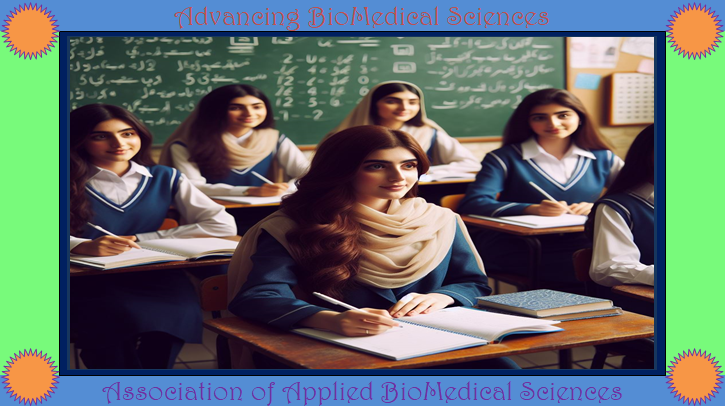
Secondary education, which usually comes after elementary school but before higher education, is a crucial phase in a student’s academic path. It acts as a link between the fundamental knowledge pupils learn in elementary school and the more specialized knowledge they could study in college or a career program. Although secondary education takes different forms in different nations, it usually strives to give students a thorough and well-rounded education that will equip them for their futures as law-abiding citizens and useful contributors to society.
Secondary education covers a wide range of topics, such as language arts, math, science, social studies, art, physical education, and frequently several optional classes. Compared to basic school, it offers a more thorough study of these areas, allowing pupils to investigate their interests and possible future routes.
Aims of Secondary Education:
The aims of secondary education are multifaceted and can differ depending on the educational policies and cultural context of a country. Some common aims include:
1. Academic Preparation: Secondary education aims to equip students with advanced academic skills, critical thinking abilities, and analytical skills necessary for higher education or the workforce.
2. Personal Development: It aims to foster personal growth, self-discipline, and responsibility in students, preparing them for the challenges of adulthood.
3. Vocational and Career Exploration: Secondary education may provide opportunities for students to explore potential career paths and develop vocational skills if they choose not to pursue higher education immediately.
4. Civic Education:
Secondary education often includes lessons on citizenship, ethics, and societal responsibilities, helping students become informed and engaged members of their communities.
5. Social Skills:
It aims to promote teamwork, communication skills, and adaptability, which are crucial for success in both personal and professional life.
Read: Criminal behaviour and various approaches to manage it
Realization of Secondary Education and National Education Policy 1998-2010:
It’s important to remember that different nations may implement secondary education and education programs in very different ways. Given that the National Education Policy of 1998–2010 is mentioned in the question, I will offer a broad overview of how the policy may be put into practice at that time.
1. Expansion and Access:
Growing the number of schools, especially in underprivileged and rural regions, may be one of the policy’s main goals in terms of expanding access to secondary education. This might entail constructing additional schools, recruiting more instructors, and enhancing the system of transportation.
2. Curriculum Reforms:
The policy could implement changes to the curriculum to raise educational standards. This might entail adding new topics or optional courses, changing curricula to reflect contemporary knowledge and abilities, and utilizing technology in the classroom.
3. Teacher Training:
The policy may prioritise teacher preparation initiatives to raise educational standards. This might entail giving educators chances for professional development, keeping them up to date on pedagogical techniques, and making sure they are familiar with the new curriculum.
4. Vocational Education:
The relevance of vocational education may be emphasized by the policy to meet the demands of students who would rather have practical skills and an early start in the workforce. The secondary education system may incorporate specialized occupational courses.
5. Examination Reforms:
The policy might address concerns about the examination system by introducing changes that reduce rote learning and emphasize critical thinking and practical application of knowledge.
6. Infrastructure Development:
Improving the infrastructure of existing secondary schools could be a key component of the policy, ensuring that schools have adequate facilities, libraries, laboratories, and other resources to facilitate effective learning.
7. Inclusivity and Equity:
Additionally, the policy may place a high priority on fairness and inclusion in education, making sure that marginalized groups are included and that students from all socioeconomic backgrounds can attend education.
8. Monitoring and Evaluation:
The establishment of monitoring and evaluation systems might help determine the efficacy of the policy. To quantify success and pinpoint areas for development, data on various educational indicators would need to be gathered.
It is imperative to bear in mind that the particulars of a nation’s National Education Policy are contingent upon its distinct socio-economic and cultural milieu and that the actual policies and their execution may deviate from the broad outline given supra. Furthermore, the National Education Policy is usually revised regularly to take into account the evolving demands and difficulties in the field of education.
Read our blog: AABMS Blogger